 |
 |
 |

|
 |
Stage I vs. Stage II Lung Cancer: How Staging Determines Your Surgical Options
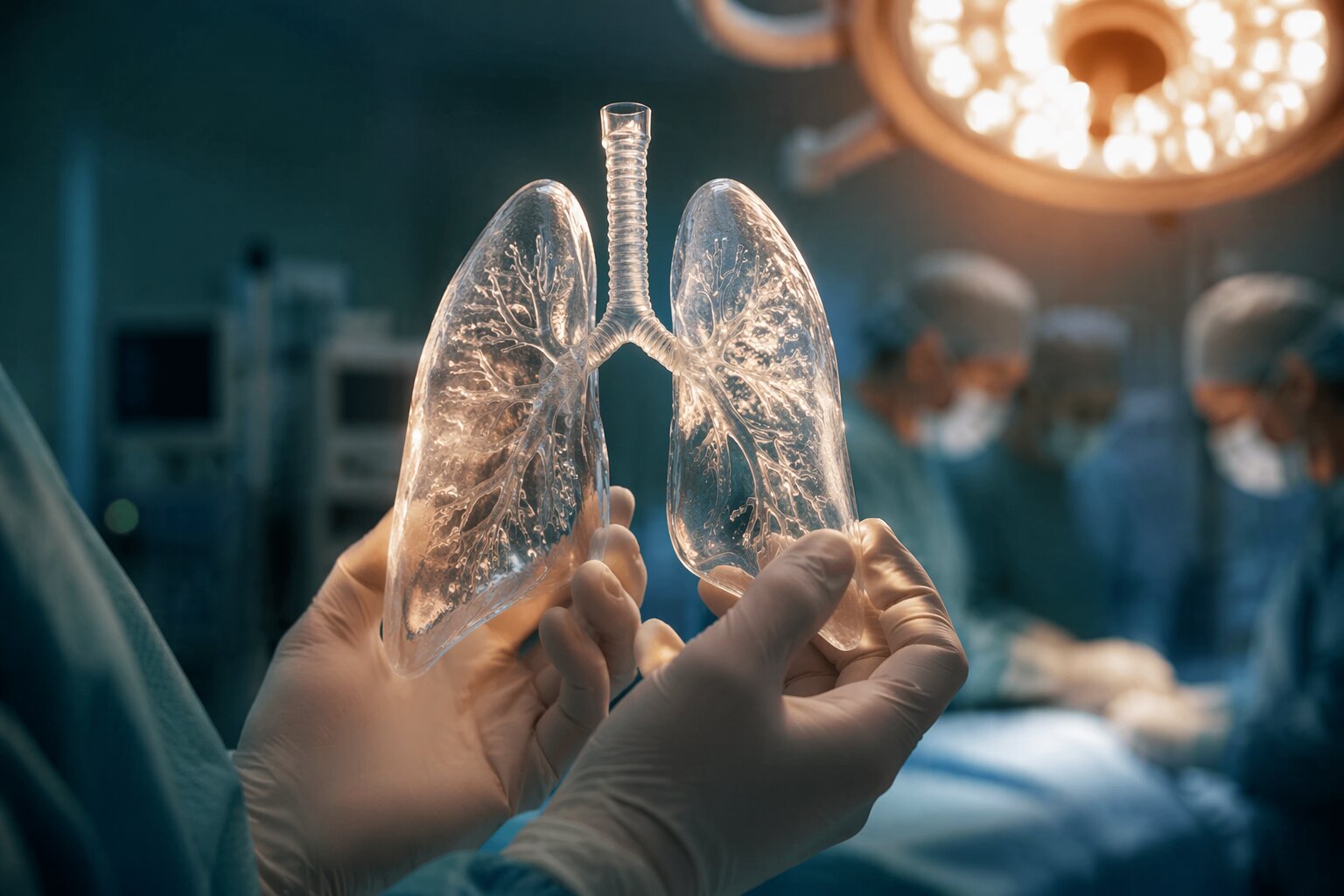
When you’re told you have Stage I or Stage II lung cancer, it’s not just a label—it can shape which surgeries you’re offered, how extensive they are, and what recovery might look like. You may be a candidate for a small, targeted operation or need a more aggressive approach with added treatments. Understanding why doctors choose one path over another can help you ask sharper questions and avoid one common mistake… What Stage I vs Stage II Lung Cancer Really MeansAlthough both Stage I and Stage II non–small cell lung cancers (NSCLC) are considered “early-stage,” they differ in how far the cancer has grown and how treatment, especially surgery, is planned. In many cases, lung cancer surgery becomes a central part of treatment planning at these stages, but the complexity and extent of the operation can vary depending on how far the disease has progressed. In Stage I, the tumor is confined to one lung and hasn't spread to nearby lymph nodes. Staging is mainly based on tumor size and extent: Stage IA generally includes tumors up to about 3 cm, and Stage IB includes tumors larger than 3 cm but up to about 4 cm, without lymph node involvement. At this stage, surgery is often highly effective because the cancer is still localized. Stage II NSCLC still has no distant spread to other organs, but it reflects more advanced local disease. This may involve a larger primary tumor, cancer cells in nearby lymph nodes, or both. Because of this higher risk of regional spread, surgeons and oncologists may plan more extensive surgery, consider removal of additional lymph nodes, and more often recommend postoperative (adjuvant) treatments such as chemotherapy, depending on individual patient factors and detailed staging findings. Key Differences Between Stage I and Stage II Lung CancerOne key difference between Stage I and Stage II lung cancer is how large the tumor is and whether it has spread to nearby lymph nodes or nearby structures in the chest. In Stage I non–small cell lung cancer (NSCLC), the tumor is confined to the lung, and there's no involvement of lymph nodes or spread outside the chest. Stage II NSCLC is still considered non‑metastatic, meaning it hasn't spread to distant organs, but it typically involves a larger tumor and/or limited spread to nearby lymph nodes or adjacent chest structures. Stage I is divided into Stage IA (tumor ≤3 cm) and Stage IB (tumor >3 cm but ≤4 cm). Stage II is categorized as Stage IIA or IIB, based on a combination of tumor size and the degree of local spread, and is generally considered more advanced and associated with a higher risk of recurrence than Stage I. How Staging Tests Shape Lung Cancer Surgery OptionsBecause Stage I and Stage II NSCLC differ in tumor size and lymph node involvement, the staging tests you undergo directly influence the type and scope of surgery your team may recommend. CT scans help define the size and exact location of the tumor and assess whether it appears confined to the lung. PET scans can identify areas of increased metabolic activity, including lymph nodes that may be involved with cancer. If imaging suggests possible lymph node spread, your doctors may recommend additional procedures such as endobronchial ultrasound (EBUS) or mediastinoscopy to biopsy lymph nodes before surgery. When tests indicate Stage I disease, surgical planning typically focuses on removing the tumor within the lung, often with a limited lymph node sampling. When features of Stage II disease are present, surgeons more often plan a broader lymph node dissection and a more extensive lung resection to address the higher likelihood of regional spread. When Is Surgery Recommended for Stage I Lung Cancer?Surgery is generally recommended for Stage I lung cancer when imaging and diagnostic tests show that the tumor is confined to one lung, hasn't involved the lymph nodes (N0), and there's no evidence of spread elsewhere in the body (M0). Tumors in Stage IA (up to 3 cm) and Stage IB (greater than 3 cm but 4 cm or smaller) are often considered suitable for surgical removal. Before surgery, the healthcare team typically confirms the stage using CT scans, PET scans, and tissue sampling, such as biopsy or endobronchial ultrasound (EBUS), to exclude hidden lymph node involvement. If you're medically fit for an operation based on your overall health, lung function, and other conditions, the goal is usually curative-intent resection, most commonly a lobectomy or, in some cases, a sublobar resection. The final pathology report after surgery helps determine whether additional treatment, such as chemotherapy, targeted therapy, or close surveillance, is recommended. Decisions are based on tumor size, margins, lymph node status, and specific tumor characteristics. When Is Surgery Recommended for Stage II Lung Cancer?In Stage II non–small cell lung cancer, surgery is generally recommended when imaging and biopsy results indicate that the tumor is resectable (can be completely removed) and there's no evidence of spread to distant organs (M0). In both Stage IIA and IIB, surgery is more likely to be considered if involvement of nearby lymph nodes appears limited enough that complete removal of all known disease is feasible with curative intent. Before recommending surgery, the care team typically performs detailed assessment of lymph nodes in the mediastinum (the central area of the chest) using imaging and, when indicated, procedures such as endobronchial ultrasound (EBUS), mediastinoscopy, or other biopsies. If these evaluations show more extensive lymph node disease or tumor invasion into vital structures (such as major blood vessels, the heart, or parts of the airway that can't be safely removed), surgery may not be advised. In such situations, treatment plans often focus on non‑surgical approaches, such as chemotherapy, radiation therapy, or combined chemoradiation, with the goals of controlling the cancer, reducing symptoms, and potentially prolonging survival. How Chemotherapy and Radiation Differ in Stage I vs Stage IIAlthough surgery is often the primary treatment for both Stage I and Stage II non–small cell lung cancer, the role of chemotherapy and radiation differs between these stages. In Stage I disease, surgery alone is commonly sufficient, especially when the tumor is small and fully resectable with clear margins. Additional (adjuvant) chemotherapy or targeted therapy may be considered when there are higher‑risk features, such as larger tumor size, certain pathological characteristics, or limited lymphatic involvement. For individuals who aren't suitable candidates for surgery, radiation therapy—often using techniques like stereotactic body radiation therapy (SBRT)—may be used with curative intent as an alternative. In Stage II disease, there's a greater concern for microscopic spread beyond the primary tumor. As a result, adjuvant chemotherapy is more routinely recommended after surgery to reduce the risk of recurrence. Postoperative radiation may be considered in specific situations, such as close or positive surgical margins, involvement of certain lymph node stations, or other high‑risk pathological findings. The decision to use chemotherapy and/or radiation is guided by tumor size, nodal status, margin status, and overall patient health. How Stage I vs II Affects Recovery, Recurrence, and OutlookBecause Stage I and Stage II non–small cell lung cancer differ in how far the disease has spread, they also differ in what to expect after treatment, including recovery, follow‑up, and long‑term outlook. People with Stage I disease are more likely to be treated with surgery alone and often have a shorter recovery period, with fewer side effects related to additional treatments. Stage II disease more often requires chemotherapy and sometimes radiation after surgery, which can make recovery longer and more demanding. Stage II cancer also has a higher risk of coming back (recurrence), so follow‑up visits and imaging are usually more frequent and may continue for a longer period. Population‑level data suggest that average 5‑year survival is higher for Stage I than for Stage II, with estimates around 54% for Stage I and about 35% for Stage II. These figures are general averages; an individual’s outlook can vary based on factors such as tumor characteristics, overall health, and response to treatment. Questions to Ask Your Surgeon About Your Lung Cancer StageWondering what your lung cancer stage means and how it affects your treatment plan? Consider asking your surgeon the following:
ConclusionUnderstanding the difference between Stage I and Stage II lung cancer helps you make clearer decisions about surgery, additional treatments, and recovery. When you know your exact stage, you can better weigh your options—from type of lung surgery to whether you’ll need chemotherapy or radiation. Use this knowledge to ask focused questions, stay involved in every choice, and work with your care team to create the treatment plan that fits you best. |







medical advice. Should you be taking any medication you should always consult your Doctor, GP or CMA before purchasing. Results may vary.
Copyright © 2013 First Vitality
This Site Is Owned By Heather Campbell & Operated Under Licence In The UK By